
Installation and new construction
A fire alarm scope that installs on schedule and stays serviceable for years after.
New systems, replacements and tenant improvements for commercial and industrial buildings, built on non-proprietary equipment so the building is not tied to one contractor afterward.
Free estimates. Email drawings to morocojoalarms@gmail.com.
How an installation runs
Eight steps, in the order they actually happen.
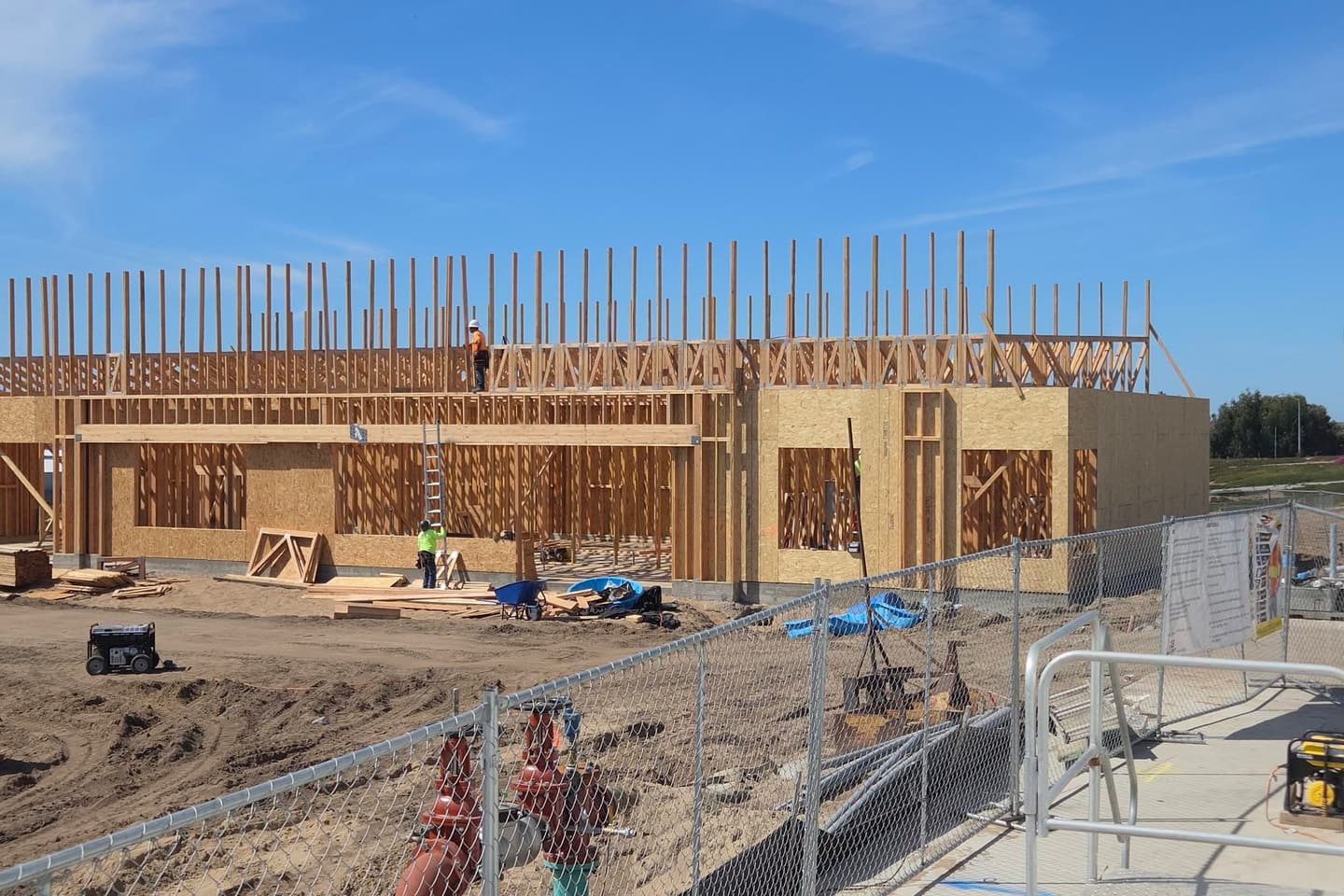
A project is a real sequence, so it is numbered here. Moro Cojo works directly with general contractors, and directly with owners and developers who hold the project themselves, and carries the fire alarm scope from the approved design through submittal, installation and the acceptance test.
The project and the approved design
We start from the drawings and the approved fire alarm design for the building: device types and counts, where they go, how the circuits run, and how the system is meant to behave. If something in that design is going to be a problem once the walls are up, the time to raise it is before rough-in, not after.
Equipment selection
Systems we install or replace are built on non-proprietary equipment. Panels and compatible devices of that kind are sold through electrical and security distributors, so purchasing is not tied to a single dealer, and programming software and training are available to qualified technicians.
Submittal, plan review and the permit
Moro Cojo puts the fire alarm submittal together, files it and handles the permit with the authority having jurisdiction over the building. It sits here because it sits here on a job: review runs before rough-in, not alongside it. What the package has to contain, how it is filed and how long review takes are set by that authority and differ from one jurisdiction to the next. Approval and the date it arrives are the authority's call. Ours is to file a complete package and answer the plan checker quickly.
Installation
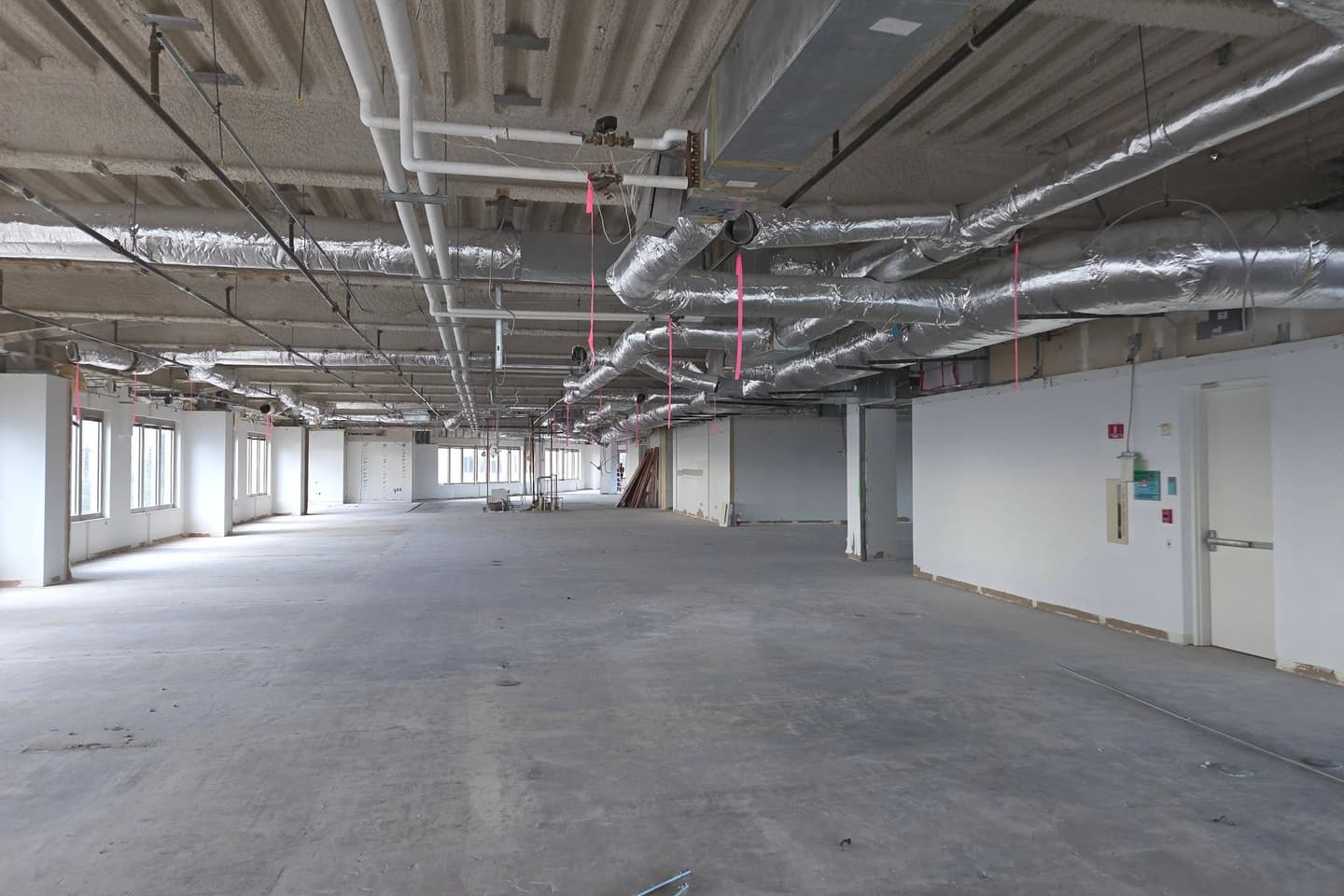
Rough-in alongside the other trades, then devices, terminations and labeling, worked to the project schedule. Clean terminations and labeled circuits are not decoration: they are what every later visit to the panel depends on.
Programming
Moro Cojo programs the panel: addresses, points, zones and the labels that appear on the display, plus the communicator if the system is going to be monitored. Point labels that describe the actual room are worth the time it takes to enter them.
Testing before handover
The system is tested before it is handed over. Anything that does not do what the design says it should do gets corrected first.
Acceptance testing
Moro Cojo arranges the acceptance test with the fire authority, attends it and demonstrates the system to the inspector. What is tested, who has to witness it and what has to be corrected before sign-off are decided by that authority, so neither the result nor the date is ours to promise. What is ours is showing up with the system working, the corrections already made and the documentation the authority asked for.
Monitoring, where the building requires it
Monitoring runs through Moro Cojo. We do the programming, and a third-party central monitoring station receives the system's signals and contacts Moro Cojo and your designated contacts.
Review time is published, not negotiated, and on most jobs it is the part of the schedule everything else waits on. Checked on 2026-09-15, the Salinas Fire Prevention Division states a plan submittal turnaround of 10 to 14 business days. The City of Santa Cruz Fire Department states a plan review turnaround of up to 15 working days. Those are the figures those two departments publish for their own intake, not dates Moro Cojo can promise, and other jurisdictions in the region publish different requirements, different timelines, or nothing at all.
Tell us which authority has the building when you ask for a bid and the submittal gets built for that office. What each one publishes is set out on Monterey County,Santa Cruz County andsouthern Santa Clara County, which covers Gilroy, Morgan Hill and the unincorporated south county.
Equipment choice
What goes in at bid time decides who can service the building later.
The fire alarm scope is specified once, at bid time, and the building lives with that decision for years. Whoever is holding the project then is rarely the party paying to inspect, test and repair the system afterward, so the question the equipment line settles is not really a project question. It is a handover question.
When Moro Cojo installs or replaces a system, we use non-proprietary equipment. What that buys the party who takes the building over is choice: when they are ready to bid out inspection, testing or repairs, more than one qualified, manufacturer-trained contractor can respond. It is worth knowing which kind of equipment is in a bid before the bid is accepted, including ours.
Non-proprietary does not mean anyone can work on the system. NFPA 72 sets qualification requirements for the people who inspect, test, service and program fire alarm systems, California has its own contractor licensing and electrician certification requirements, and each manufacturer controls its own software and training. Equipment still has to be listed, including California State Fire Marshal listing, and installed to code regardless of brand.
How non-proprietary worksKeeping it running
The system outlasts the job. Someone has to keep it working.
The same company that put the system in can carry it afterward, which keeps the history of the building in one place instead of starting over with each contractor.
- Service and repair
- Trouble signals, failed devices, aging standby batteries, panel repairs and replacements. After-hours service available.
- Inspection and testing
- The California Fire Code requires fire protection systems to be maintained in an operative condition, and inspection, testing and maintenance follow NFPA 72 as adopted by the California Fire Code. Under NFPA 72 the building owner, or the owner's representative, is responsible for having it done.
- Monitoring
- Programming by Moro Cojo, signals received by a third-party central monitoring station, which contacts Moro Cojo and your designated contacts.
Asking for a bid
What to send when you ask for a number.
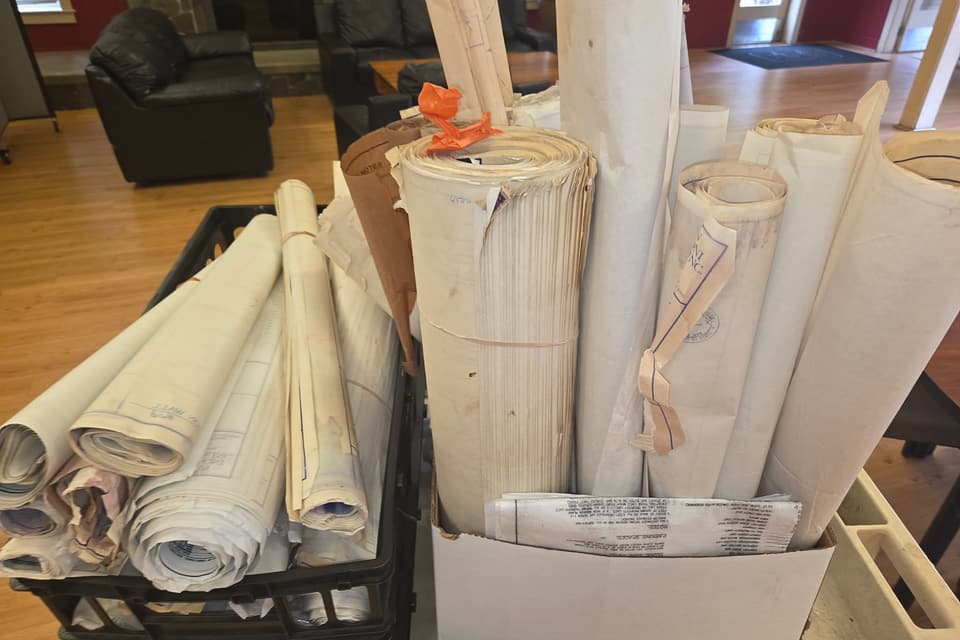
- Drawings, if they exist. A fire alarm plan set, or the architectural set if the fire alarm design is not drawn yet.
- What the project is: new construction, a full system replacement, or a tenant improvement inside an existing building.
- The building and how it is used, with square footage and the number of stories if you have them.
- The schedule: the bid due date, and roughly when rough-in is expected.
- The fire authority for the building, if you already know which one it is.
Email drawings and bid invitations
morocojoalarms@gmail.comAttach the plan set, or send the plan room link. If you are missing pieces, send what you have. Call (831) 455-5858 if it is faster to talk it through.
Request a bid
Tell us about the project, and what the schedule looks like.
Drawings, a bid due date and how the building will be used are enough to start. Free estimates.