Fire alarm service and repair

A fire alarm that keeps going off is a service call, not a mystery.

If the system is in alarm right now, follow the building's evacuation plan and call 911. If the panel is beeping, showing a trouble light, or a device has failed, call us and tell us what the display says.

This page covers commercial fire alarm systems, not home smoke detectors.

  • Phones answered 8am to 6pm
  • Call between 8am and 6pm.
  • After-hours service available.
  • California C-10 Electrical Contractor
  • CSLB License #1088212

Read the panel first

Three things a panel says, and what each one asks of you.

Look at the display and the indicator lights before anything else. What they say decides whether this is a 911 call or a service call.

Alarm

The system is signaling a fire condition. Horns and strobes are running and the panel shows an alarm rather than a fault.

What to doFollow the building's evacuation plan and call 911. Do not silence or reset the panel while it is in alarm. When the building is safe again, call us and we will look into why the system activated.
Trouble

A trouble signal means the panel has found a fault in itself, in its power supply or in its wiring. It is not a fire. Usually it is a beeping panel, a trouble light and a message naming a circuit, a device or the battery.

What to doWrite down the wording on the display exactly as it appears, including any zone or address number. A photograph of the display is better still. Silence the sounder at the panel if you know how, then call. The condition keeps reporting until the cause is corrected, so silencing it does not end it.

Supervisory

A supervisory signal reports an off-normal condition the system is watching, rather than a fire or a fault inside the panel. It is a separate state with its own indicator, and it is meant to clear once the condition it watches returns to normal, though some panels hold it until the panel is reset.

What to doNote what the display names and check whether anything in the building changed recently. Some supervisory conditions are cleared by the building rather than by a contractor. A supervisory signal can also mean a fire protection system in the building is impaired, which your fire authority may need to be told about. If it is not obvious, call us and call your local fire authority.

If the display reads something else, or the panel is dark, that is still worth a call.

What we service

Commercial fire alarm systems, and what usually goes wrong with them.

Panels, initiating devices, notification appliances and the circuits between them. This is commercial fire alarm work, not home smoke detectors.

Trouble signals and repeat activations
Tracing the fault behind a beeping panel, or behind a system that keeps activating with no fire: a standby battery at the end of its life, a damaged or open circuit, a loose termination, a detector that is dirty or sitting in the wrong environment for what it is.
Failed devices
Smoke detectors, heat detectors, manual pull stations, horns and strobes that do not test, do not report or do not sound. Replacements are matched to what the system can take.
Standby batteries
A fire alarm panel carries batteries so it keeps working when the building's power does not. They have a service life and they are a routine replacement item; a battery at the end of it will put the panel into trouble.
Panel repairs and replacements
Repairing what can be repaired, and replacing the panel where replacing it is the honest answer.
Panel maintenance
Scheduled work on the panel and its power supply, so the control equipment is looked after between tests rather than only when something fails.

When Moro Cojo installs or replaces a system, we usenon-proprietary equipment, which gives you more flexibility in who can service the system later. We do not install or service sprinklers, suppression systems or extinguishers. If the system reports to a central station, say so when you call, becausemonitoring changes how a visit is set up.

Someone else installed it

We service and repair fire alarm systems another contractor installed.

You are not stuck with the company that put the system in. We take on existing commercial systems and work on them as they are. What a particular job involves still depends on the panel, because some equipment needs the manufacturer's software, training or system access before anyone can change how it is programmed.

Tell us the panel make and what the display shows and we will tell you plainly what we can do with it. We would rather give you that answer on the phone than after a visit, including on the occasions when the answer is that it is not something we can take on.

What to have ready

The panel make and model
Normally printed on the panel door or inside it.
The exact wording on the display
Including any zone, loop or address number. A photograph is ideal.
What the system is doing now
Beeping, silent, in alarm, or partly disabled.
The building
What it is used for, how many floors, and roughly how many devices.
Access
Where the panel is, who can let us in, and what hours the building can be worked in.

Service rates

What service labor costs, and what moves the total.

Service and repair work is charged at the rates below, plus materials. What a particular visit comes to depends on how long the work takes, which is what the four things underneath actually decide.

During regular business hours

First hour
$190+ materials
Additional labor
$150/hour+ materials

After-hours and holiday service rates are 2× the regular business-hour rates.

What moves the total

The panel
What it is and what programming it needs. Some panels take longer to work on than others.
How much system there is
A few devices in one suite is not the same job as several floors of detection and notification.
The fault itself
A standby battery is a short visit. An intermittent fault on a circuit can take longer to find than it takes to fix.
Access
Ceiling heights, occupied hours, secured areas and ladder or lift work all change how long a visit takes.

These rates are for fire alarm service and repair. Inspection, monitoring, installation and larger project pricing depends on the scope of work, and project estimates are free. How often a system should be serviced depends on the equipment, how it is monitored and the code edition your fire authority enforces; intervals are a separate subject, covered on fire alarm inspection and testing.

The work

Service work starts at the control equipment. The panel comes open.

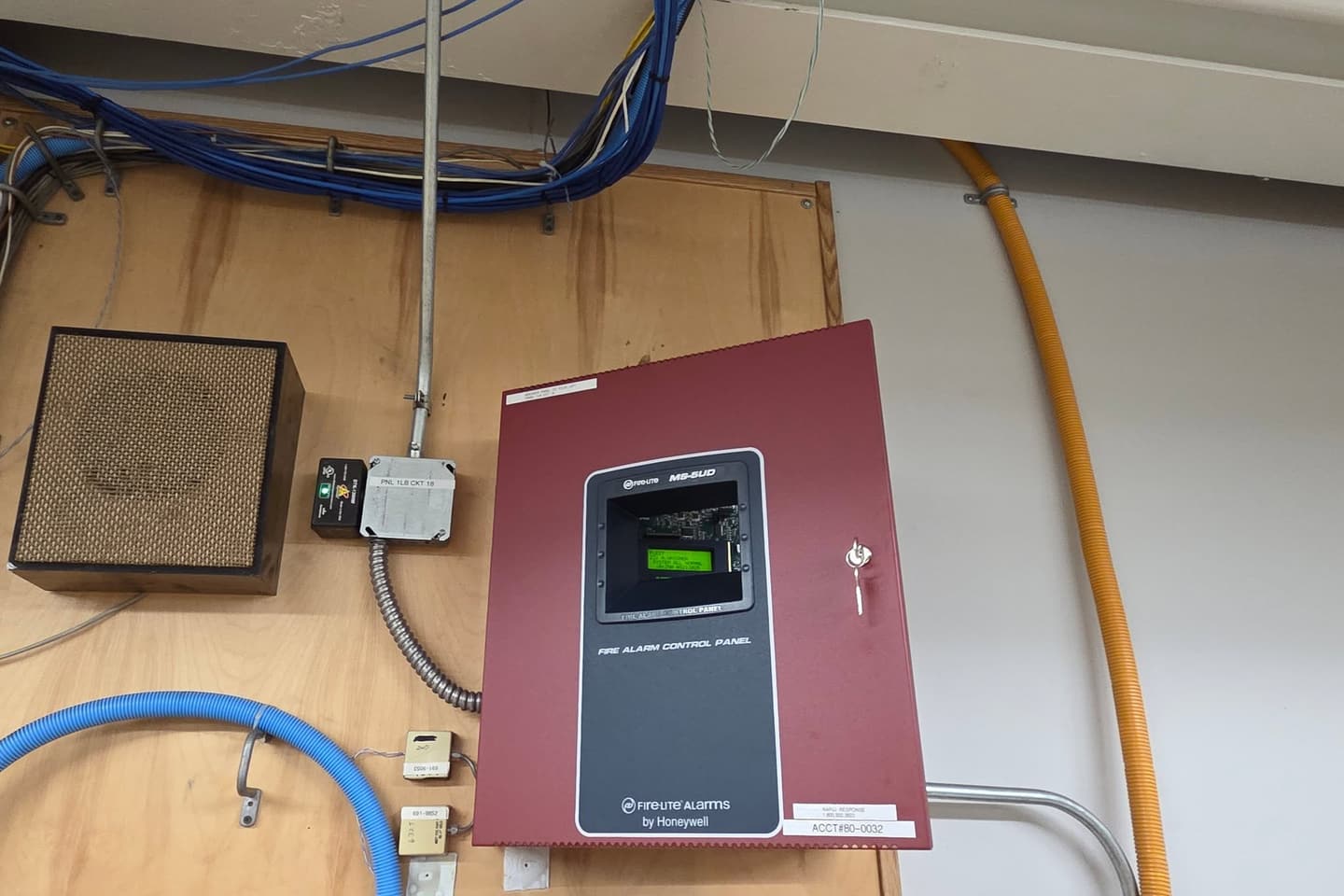
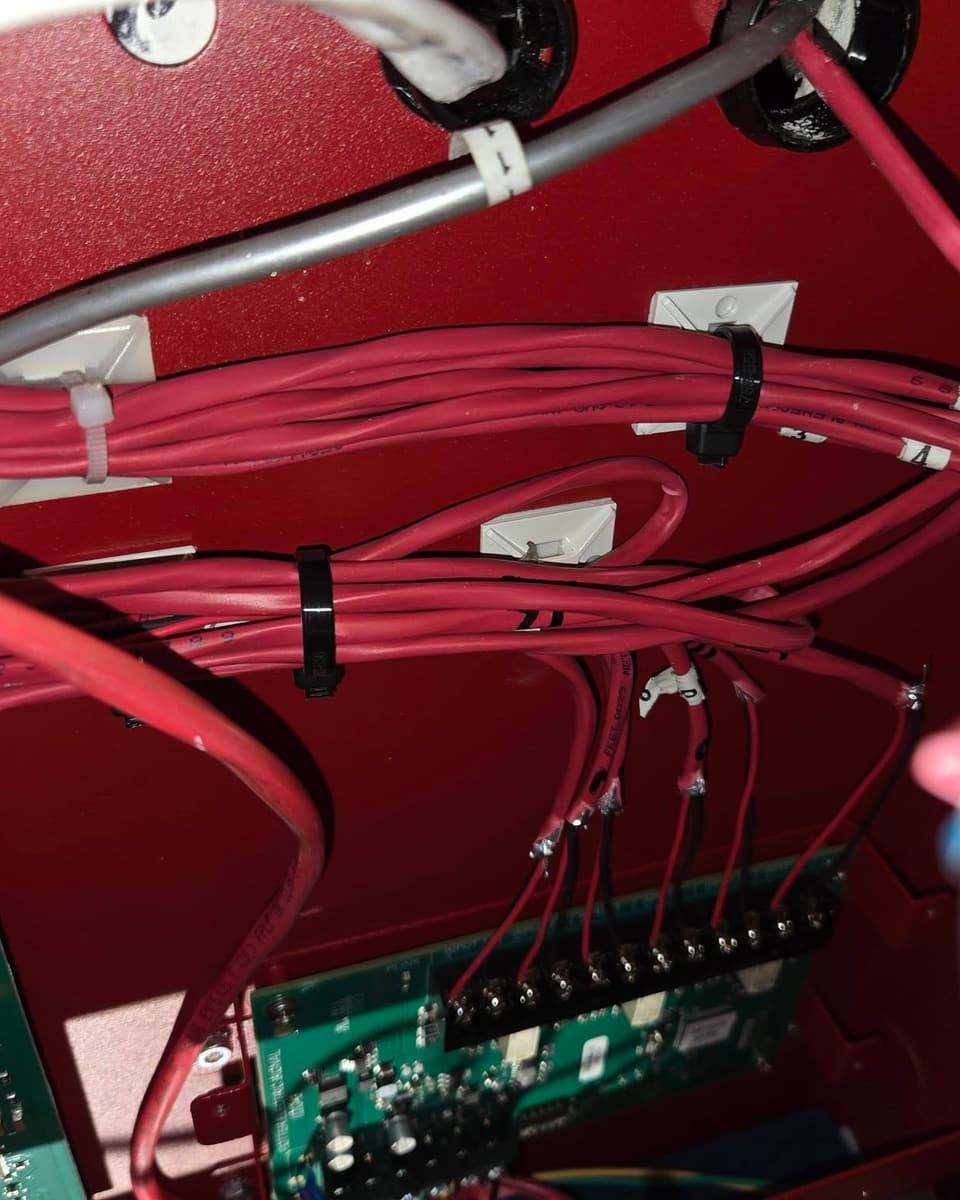
Photographs of Moro Cojo work. The fault gets traced from the panel outward.

Fire alarm control panel mounted on a plywood backboard beside an older speaker box
Existing panel on a service call
Field wiring landed on terminal blocks inside a fire alarm panel
Terminations inside a panel

Request service

Tell us the panel make and what the display says.

That is usually enough for us to tell you what is likely going on and what we can do with it. If the system is in alarm now, call 911 first and follow the building's evacuation plan.

Prefer to talk?

(831) 455-5858

Phones are answered from 8am to 6pm. Ask about availability for your site when you call.

Request service

Where the system is. More than one building? List them in the notes.

What do you need? choose all that apply

The panel make and model, the exact wording on the display, whether it is beeping now, and what the building is used for.